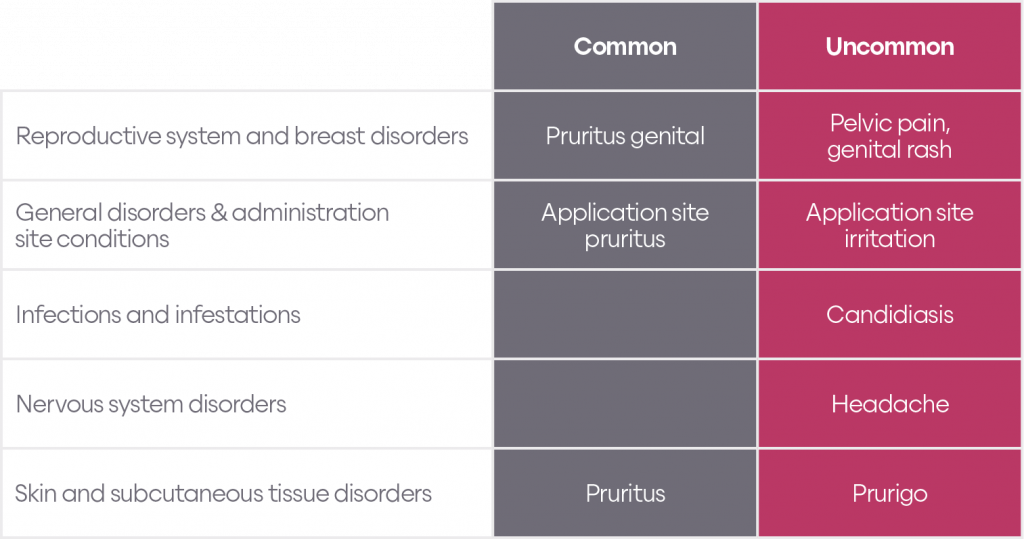
Help manage the impact of vaginal atrophy on your patients’ lives
About 50% of postmenopausal women get pain or discomfort from vaginal atrophy, which can impact their quality of life significantly.1,2
Vaginal atrophy can cause many different symptoms, notably, burning, itching, pain during sex or passing urine, and vaginal dryness.3
Prescribing and Adverse event reporting information for BlisselⓇ can be found here.

Prescribing and adverse event reporting information can be found at the end of this video.
How do women present with GSM symptoms?
Women may struggle to talk about their symptoms, and might prefer their doctor to initiate the discussion.4
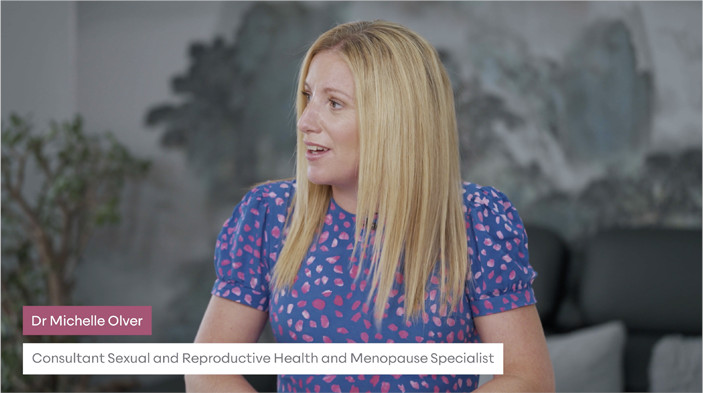
Prescribing and adverse event reporting information can be found at the end of this video.
Despite clear guidelines for treatment, half of women with postmenopausal genitourinary symptoms have never been prescribed any medication for their symptoms.5
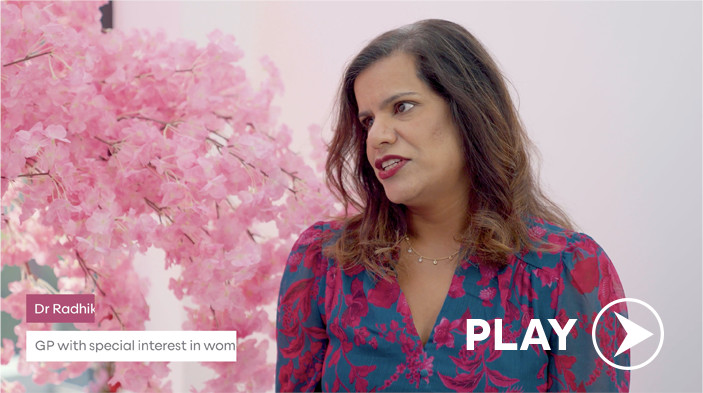
Prescribing and adverse event reporting information can be found at the end of this video.
NICE guidance states that the lowest possible dose vaginal oestrogen should be offered to women to manage the bothersome symptoms of vaginal atrophy.6
Prescribing and Adverse event reporting information for BlisselⓇ can be found here.
Order your FREE demonstration pack:
Please click here to order your FREE Blissel®(estriol 50micrograms/g) VAGINAL GEL
placebo demonstration pack.
The kit contains:
- Applicator
- Placebogel
- QR code links for access to Blissel® Summary of Product Characteristics and Patient Information Leaflets.


Upcoming Webinars 2026
Our next FREE ONLINE
Webinar is on the 22nd Sept 2026
between 7.30pm – 9.30pm
My Blissel® Time to talk
Video Library
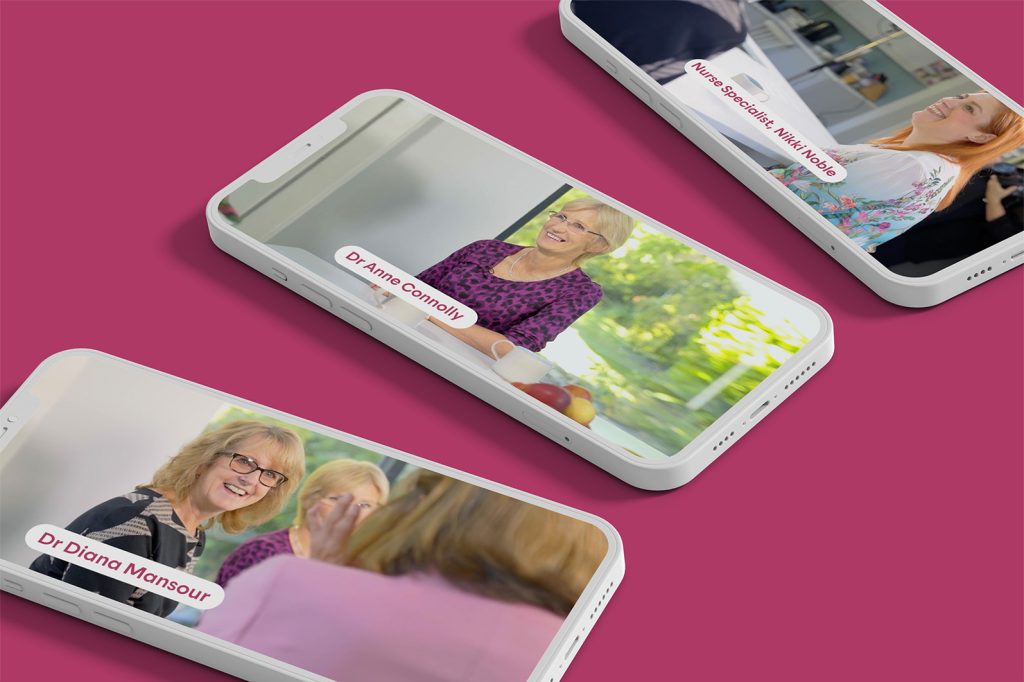
In depth discussions around various issues arising when treating the menopause with Dr Julie Oliver, Dr Michelle Olver, Dr Radhika Vohra, Dr Anne Connolly, Dr Diana Mansour and Nurse Consultant Nikki Noble.

Ultra low dose estriol vaginal gel7,8
1. Nappi RE, Palacios S. Climacteric. 2014;17:3-9, 2. Moral E, et al. Menopause. 2018;25(12):1418-23. 3. Palma F, et al. Maturitas. 2018;108:18-23. 4. Krychman M, et al. J Sex Med 2017:14:425-433. 5. NAMS position statement. Menopause. 2020;27(9):976-92. 6. NICE. Menopause: diagnosis and management (NG23). Available from: https://www.nice.org.uk/guidance/ng23/chapter/recommendations. Accessed July 2026. 7. Blissel 50 micrograms/g vaginal gel. Summary of product characteristics. 8. Cano A, et al. Menopause. 2012;19(10):1130-9.
Date of preparation: August 2026 | UK-BLS-692